Đừng chọn sống an nhàn khi bạn vẫn còn đủ sức vượt qua khó nhọc.Sưu tầm

Ai sống quán bất tịnh, khéo hộ trì các căn, ăn uống có tiết độ, có lòng tin, tinh cần, ma không uy hiếp được, như núi đá, trước gió.Kinh Pháp Cú (Kệ số 8)
Hãy thận trọng với những hiểu biết sai lầm. Điều đó còn nguy hiểm hơn cả sự không biết. (Beware of false knowledge; it is more dangerous than ignorance.)George Bernard Shaw
Chỉ có hai thời điểm mà ta không bị ràng buộc bởi bất cứ điều gì. Đó là lúc ta sinh ra đời và lúc ta nhắm mắt xuôi tay.Tủ sách Rộng Mở Tâm Hồn
Tài năng là do bẩm sinh, hãy khiêm tốn. Danh vọng là do xã hội ban cho, hãy biết ơn. Kiêu căng là do ta tự tạo, hãy cẩn thận. (Talent is God-given. Be humble. Fame is man-given. Be grateful. Conceit is self-given. Be careful.)John Wooden
Khi ăn uống nên xem như dùng thuốc để trị bệnh, dù ngon dù dở cũng chỉ dùng đúng mức, đưa vào thân thể chỉ để khỏi đói khát mà thôi.Kinh Lời dạy cuối cùng
Đừng chọn sống an nhàn khi bạn vẫn còn đủ sức vượt qua khó nhọc.Sưu tầm
Tinh cần giữa phóng dật, tỉnh thức giữa quần mê.Người trí như ngựa phi, bỏ sau con ngựa hèn.Kính Pháp Cú (Kệ số 29)
Hương hoa thơm chỉ bay theo chiều gió, tiếng thơm người hiền lan tỏa khắp nơi nơi. Kinh Pháp cú (Kệ số 54)
Tôn giáo không có nghĩa là giới điều, đền miếu, tu viện hay các dấu hiệu bên ngoài, vì đó chỉ là các yếu tố hỗ trợ trong việc điều phục tâm. Khi tâm được điều phục, mỗi người mới thực sự là một hành giả tôn giáo.Đức Đạt-lai Lạt-ma XIV
Bạn nhận biết được tình yêu khi tất cả những gì bạn muốn là mang đến niềm vui cho người mình yêu, ngay cả khi bạn không hiện diện trong niềm vui ấy. (You know it's love when all you want is that person to be happy, even if you're not part of their happiness.)Julia Roberts

Trang chủ »» Danh mục »» TỦ SÁCH RỘNG MỞ TÂM HỒN »» none »» Awareness of mind and matter. »»
none
»» Awareness of mind and matter.

(Lượt xem: 8.249)
Xem trong Thư phòng    Xem định dạng khác    Xem Mục lục  Vietnamese || Đối chiếu song ngữ


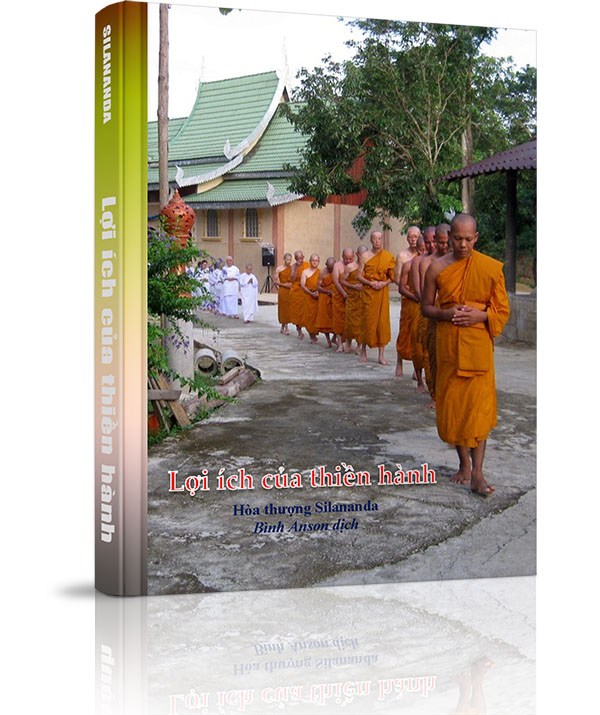
Lợi ích của thiền hành - 3. Tuệ danh-sắc

Font chữ:


SÁCH AMAZON


Mua bản sách in

As yogis continue to practice walking meditation, they will come to realize that, with every movement, there is also the noting mind, the awareness of the movement. There is the lifting movement and also the mind that is aware of that lifting. In the next moment, there is the moving forward movement and also the mind that is aware of the movement. Moreover, yogis will realize that both the movement and the awareness arise and disappear in that moment. In the next moment, there is the putting down movement and so also the awareness of the movement, and both arise and disappear in that moment of putting the foot down on the ground. The same process occurs with the pressing of the foot: there is the pressing and the awareness of pressing. In this way, yogis understand that along with the movement of the foot, there are also the moments of awareness.

The moments of awareness are called, in Pāli, nāma, mind, and the movement of the foot is called rūpa, matter. So yogis will perceive mind and matter rising and disappearing at every moment. At one moment there is the lifting of the foot and the awareness of the lifting, and at the next moment there is the movement forward and the awareness of that movement, and so on. These can be understood as a pair, mind and matter, which arise and disappear at every moment. Thus yogis advance to the perception of the pairwise occurrence of mind and matter at every moment of observation, that is, if they pay close attention.

Another thing that yogis will discover is the role of intention in effecting each movement. They will realize that they lift their foot because they want to, move the foot forward because they want to, put it down because they want to, press the foot against the ground because they want to. That is, they realize that an intention precedes every movement. After the intention to lift, lifting occurs. They come to understand the conditionality of all of these occurrences — these movements never occur by themselves, without conditions. These movements are not created by any deity or any authority, and these movements never happen without a cause. There is a cause or condition for every movement, and that condition is the intention preceding each movement. This is another discovery yogis make when they pay close attention.

When yogis understand the conditionality of all movements, and that these movements are not created by any authority or any god, then they will understand that they are created by intention. They will understand that intention is the condition for the movement to occur.

Thus the relationship of conditioning and conditioned, of cause and effect, is understood. On the basis of this understanding, yogis can remove doubt about nama and rupa by understanding that nāma and rūpa do not arise without conditions.

With the clear understanding of the conditionality of things, and with the transcendence of doubt about nāma and rūpa, a yogi is said to reach the stage of a "lesser sotapanna."

A sotāpanna is a "stream-enterer," a person who has reached the first stage of enlightenment. A "lesser sotāpanna" is not a true stream-enterer but is said to be assured of rebirth in a happy realm of existence, such as in the realms of human beings and devas. That is, a lesser sotāpanna cannot be reborn in one of the four woeful states, in one of the hells or animal realms.

This state of lesser sotāpanna can be reached just by practicing walking meditation, just by paying close attention to the movements involved in a step. This is the great benefit of practicing walking meditation. This stage is not easy to reach, but once yogis reach it, they can be assured that they will be reborn in a happy state, unless, of course, they fall from that stage.

    « Xem chương trước       « Sách này có 7 chương »       » Xem chương tiếp theo »
» Tải file Word về máy » - In chương sách này


_______________

MUA THỈNH KINH SÁCH PHẬT HỌC

DO NXB LIÊN PHẬT HỘI PHÁT HÀNH


Hát lên lời thương yêu


Pháp Hoa Văn Cú - Tập 3


An Sĩ toàn thư - Khuyên người tin sâu nhân quả - Quyển Thượng


Phật Giáo Yếu Lược

Mua sách qua Amazon sẽ được gửi đến tận nhà - trên toàn nước Mỹ, Canada, Âu châu và Úc châu.

XEM TRANG GIỚI THIỆU.

Tiếp tục nghe? 🎧

Bạn có muốn nghe tiếp từ phân đoạn đã dừng không?


Quý vị đang truy cập từ IP 216.73.216.110 và chưa ghi danh hoặc đăng nhập trên máy tính này. Nếu là thành viên, quý vị chỉ cần đăng nhập một lần duy nhất trên thiết bị truy cập, bằng email và mật khẩu đã chọn.
Chúng tôi khuyến khích việc ghi danh thành viên ,để thuận tiện trong việc chia sẻ thông tin, chia sẻ kinh nghiệm sống giữa các thành viên, đồng thời quý vị cũng sẽ nhận được sự hỗ trợ kỹ thuật từ Ban Quản Trị trong quá trình sử dụng website này.
Việc ghi danh là hoàn toàn miễn phí và tự nguyện.

Ghi danh hoặc đăng nhập

Thành viên đang online:
Rộng Mở Tâm Hồn Viên Hiếu Thành Rộng Mở Tâm Hồn Huệ Lộc 1959 Rộng Mở Tâm Hồn Bữu Phước Rộng Mở Tâm Hồn Chúc Huy Rộng Mở Tâm Hồn Minh Pháp Tự Rộng Mở Tâm Hồn minh hung thich Rộng Mở Tâm Hồn Diệu Âm Phúc Thành Rộng Mở Tâm Hồn Phan Huy Triều Rộng Mở Tâm Hồn Phạm Thiên Rộng Mở Tâm Hồn Trương Quang Quý Rộng Mở Tâm Hồn Johny Rộng Mở Tâm Hồn Dinhvinh1964 Rộng Mở Tâm Hồn Pascal Bui Rộng Mở Tâm Hồn Vạn Phúc Rộng Mở Tâm Hồn Giác Quý Rộng Mở Tâm Hồn Trần Thị Huyền Rộng Mở Tâm Hồn Chanhniem Forever Rộng Mở Tâm Hồn NGUYỄN TRỌNG TÀI Rộng Mở Tâm Hồn KỲ Rộng Mở Tâm Hồn Dương Ngọc Cường Rộng Mở Tâm Hồn Mr. Device Rộng Mở Tâm Hồn Tri Huynh Rộng Mở Tâm Hồn Thích Nguyên Mạnh Rộng Mở Tâm Hồn Thích Quảng Ba Rộng Mở Tâm Hồn T TH Rộng Mở Tâm Hồn Tam Thien Tam Rộng Mở Tâm Hồn Nguyễn Sĩ Long Rộng Mở Tâm Hồn caokiem Rộng Mở Tâm Hồn hoangquycong Rộng Mở Tâm Hồn Lãn Tử Rộng Mở Tâm Hồn Ton That Nguyen Rộng Mở Tâm Hồn ngtieudao Rộng Mở Tâm Hồn Lê Quốc Việt Rộng Mở Tâm Hồn Du Miên Rộng Mở Tâm Hồn Quang-Tu Vu Rộng Mở Tâm Hồn phamthanh210 Rộng Mở Tâm Hồn An Khang 63 Rộng Mở Tâm Hồn zeus7777 Rộng Mở Tâm Hồn Trương Ngọc Trân Rộng Mở Tâm Hồn Diệu Tiến ... ...

... ...